





What fibre laser cutting means for OEM parts
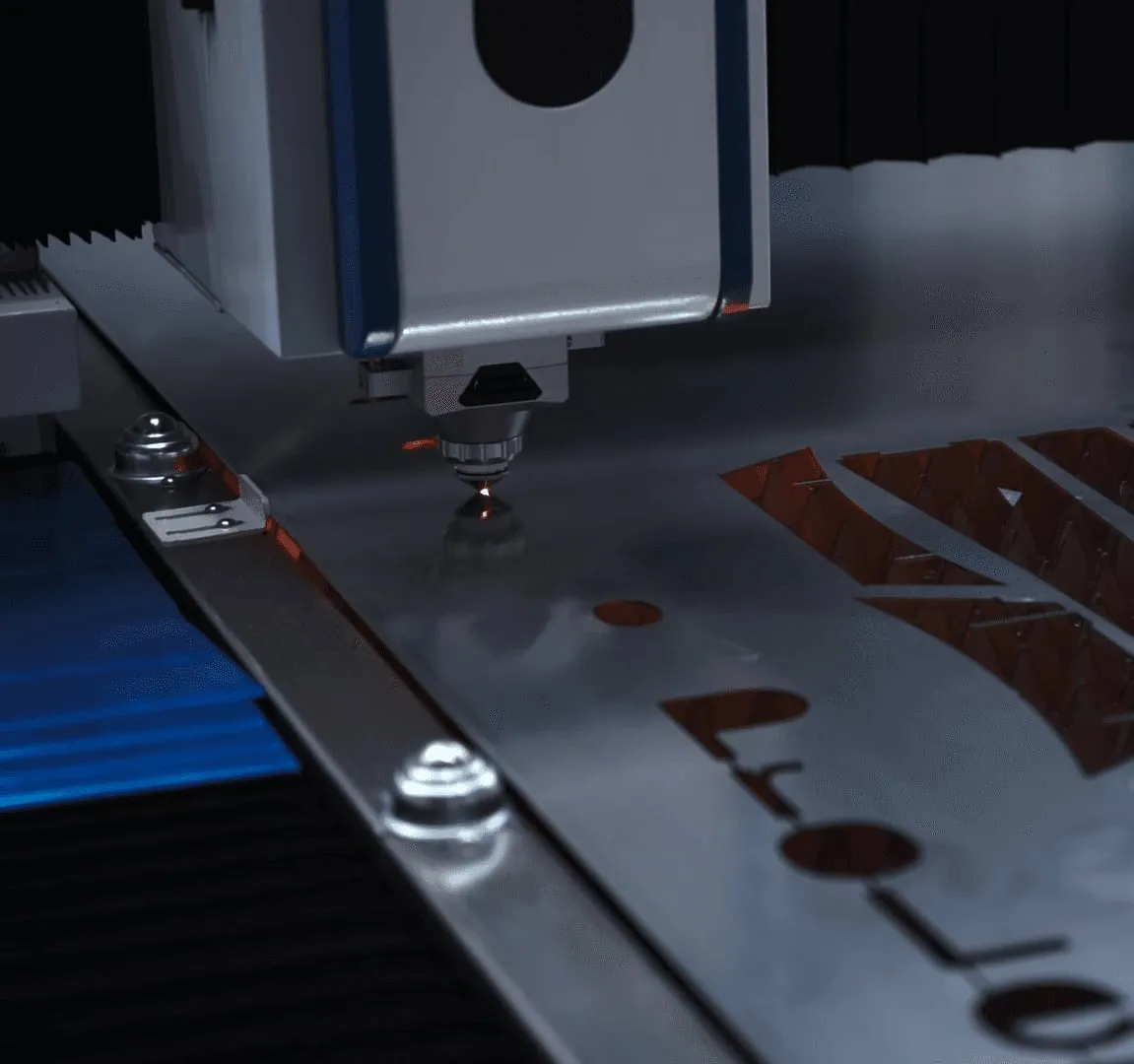
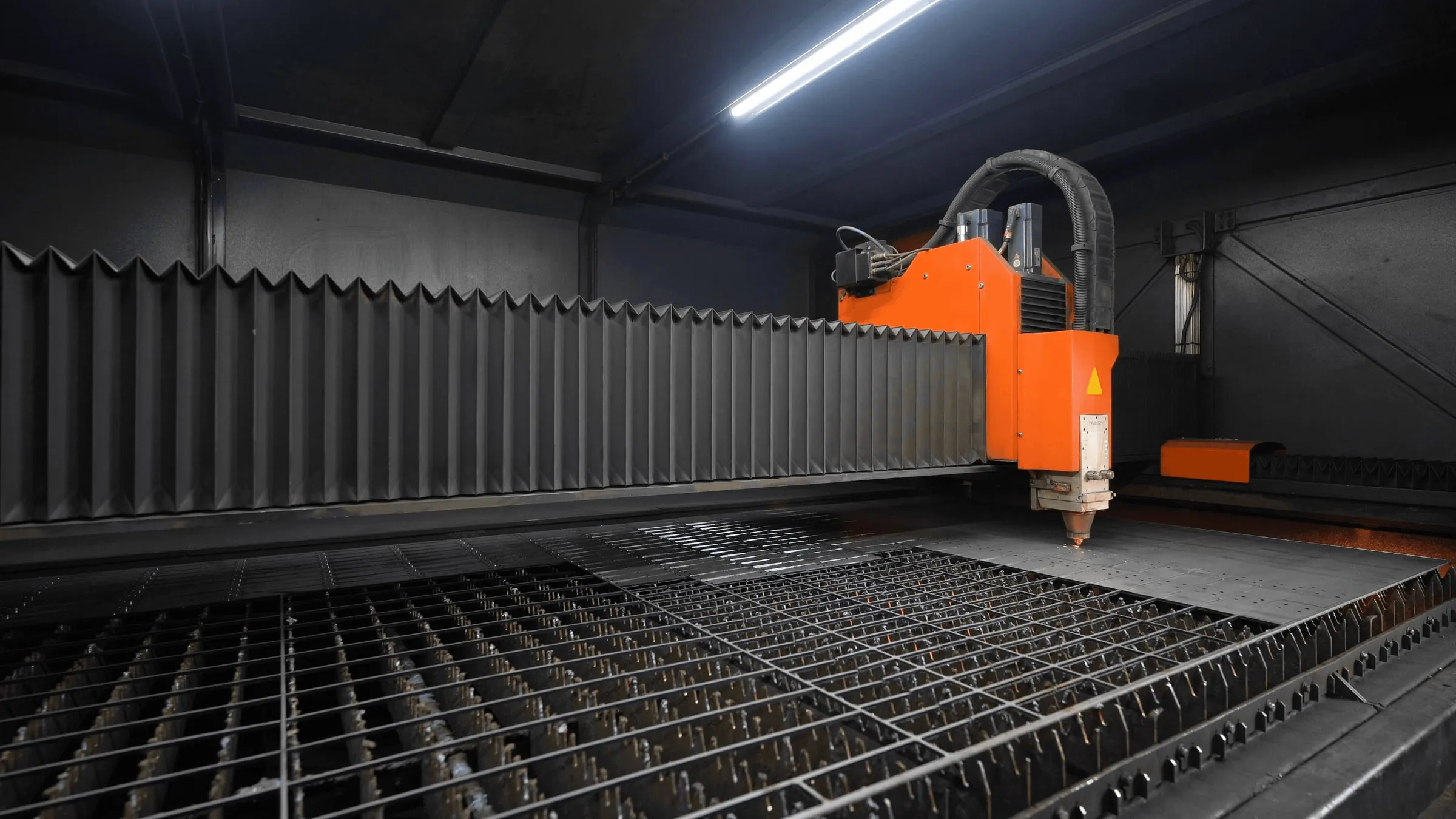
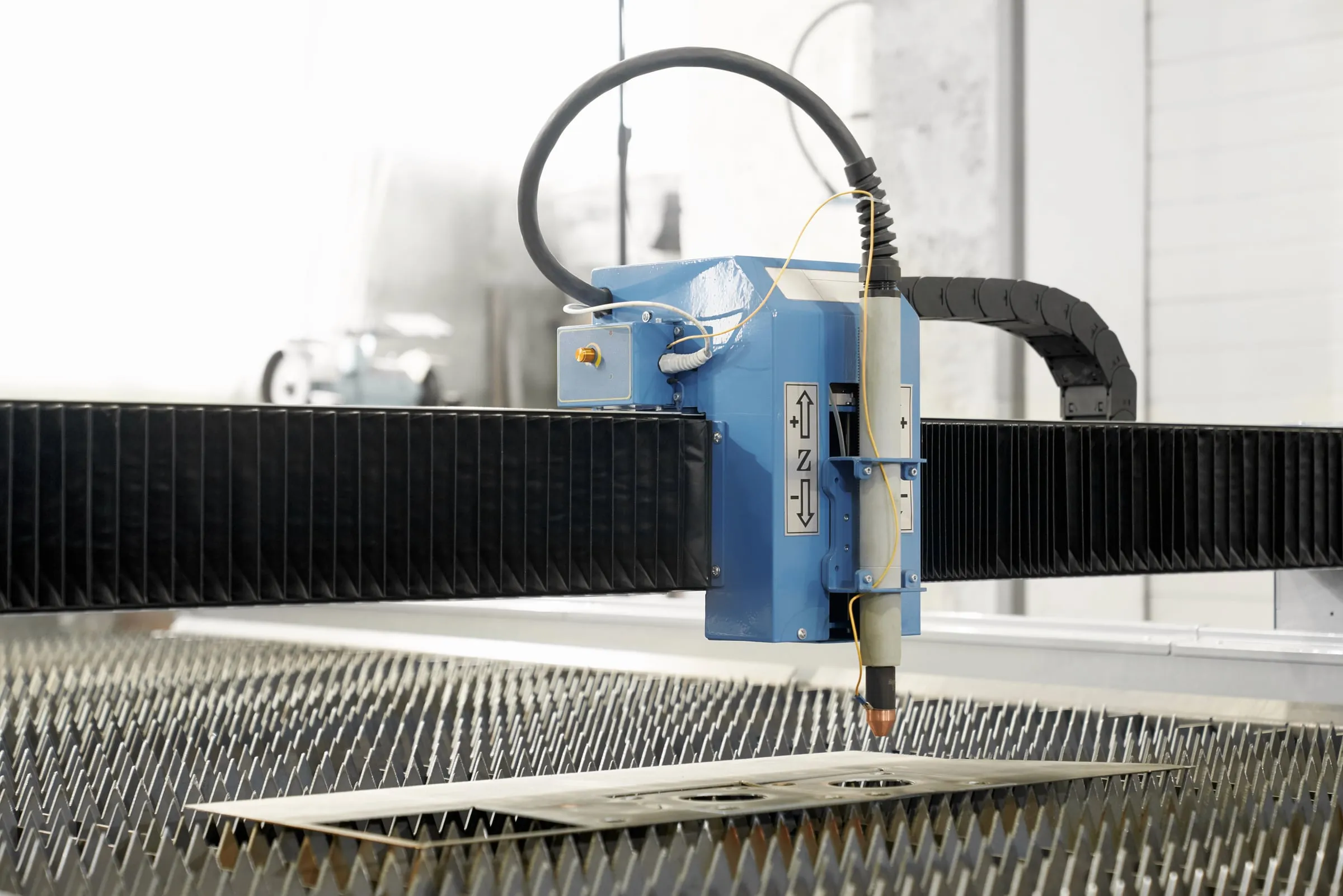
Laser cutting has changed what OEMs can expect from a sheet-metal supplier. Parts come off the bed accurate and clean-edged, and the thousandth matches the first, whether it’s a prototype or a production run. Here’s why that matters, and how we use it at Excava.
Why lasers replaced older methods
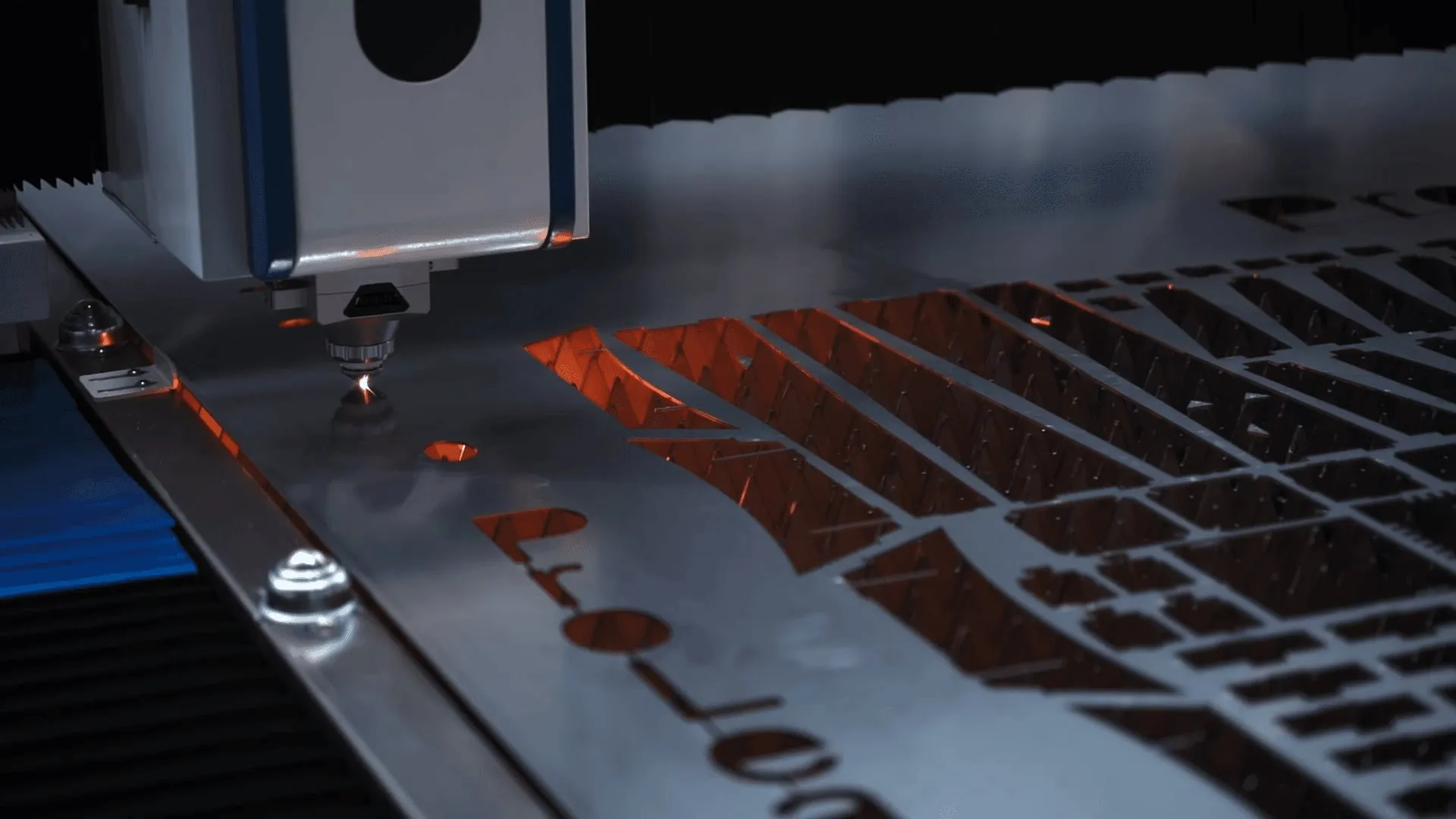
Shearing, mechanical punching and plasma cutting served the industry for decades, and they still have their place. But as parts have become more complex and tolerances tighter, OEMs need cutting that keeps up. A fibre laser offers:
- Accuracy: tolerances within fractions of a millimetre.
- Complex shapes: fine details and intricate profiles, cut in one pass.
- Clean edges: little or no secondary finishing.
- Material range: steel, stainless steel and aluminium on the same machine.
For an OEM, that means faster turnaround and fewer errors.
How we use laser cutting at Excava
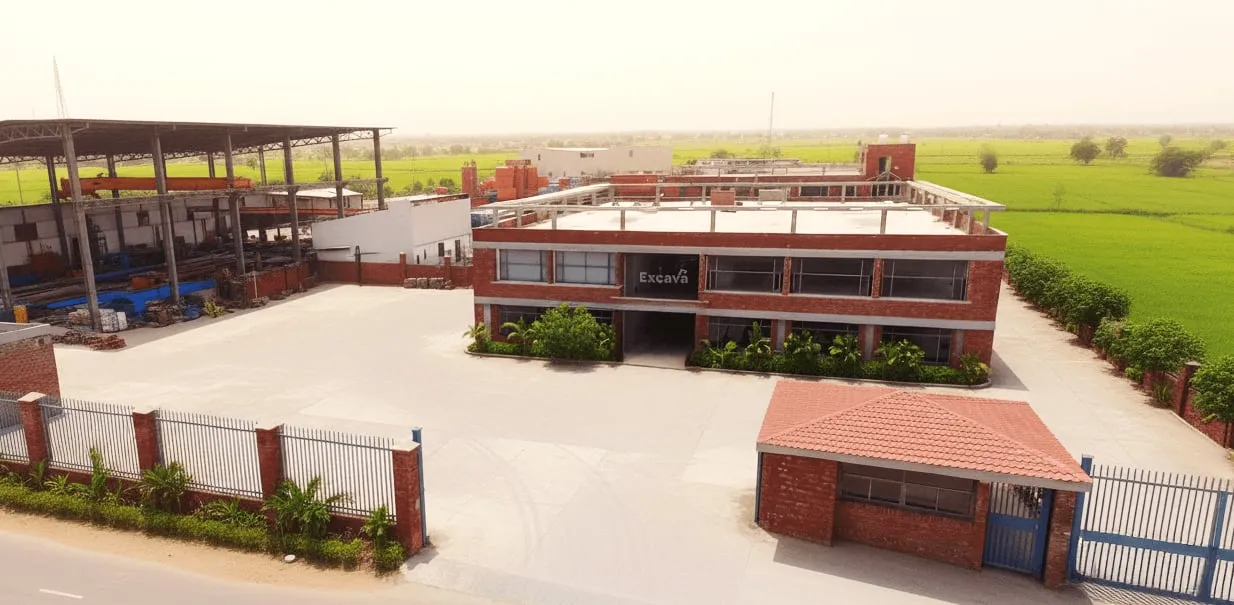
We run three fibre lasers across our two plants, from 3 kW to 12 kW, set up for single prototypes as well as volume production.
- Thickness range: from thin sheet up to 20 mm plate.
- Repeatability: programmed cutting keeps part 1,000 the same as part 1.
- Short set-ups: a pallet changer on our 6 kW laser keeps it cutting while the next sheet is loaded.
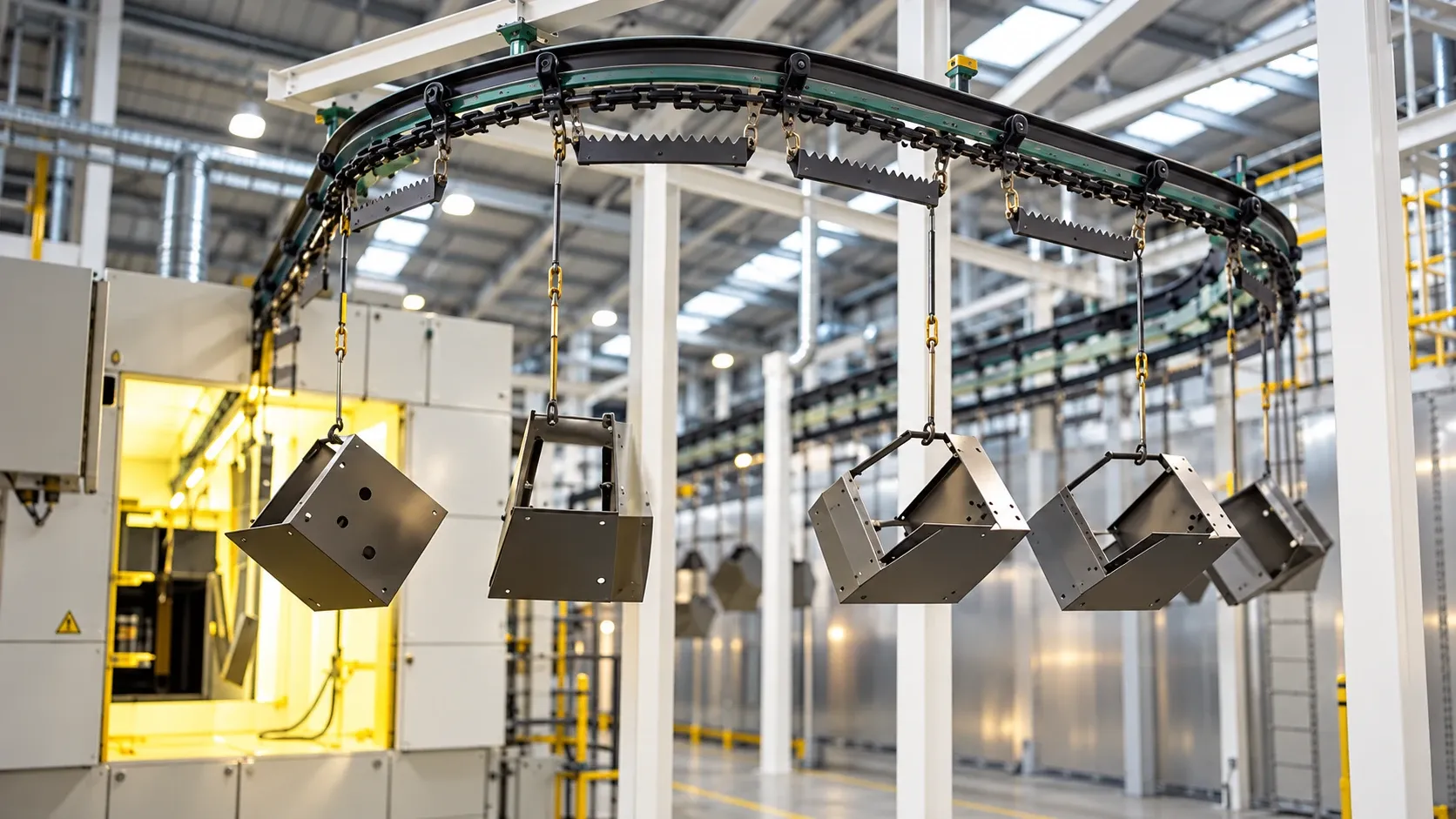
- The next step is next door: cut parts go straight to CNC bending, turret punching and welding in the same plant.
What it means for your supply chain
- Faster to market: quicker cutting cycles shorten prototyping and production.
- Less waste: accurate cutting makes better use of every sheet, which keeps material cost down.
- Room to scale: move from small batches to volume without a change in quality.
- Compliance: cutting runs inside our ISO 9001:2015 quality system.
- Better fit: accurate cuts make assemblies go together as designed.
Where our laser-cut parts go
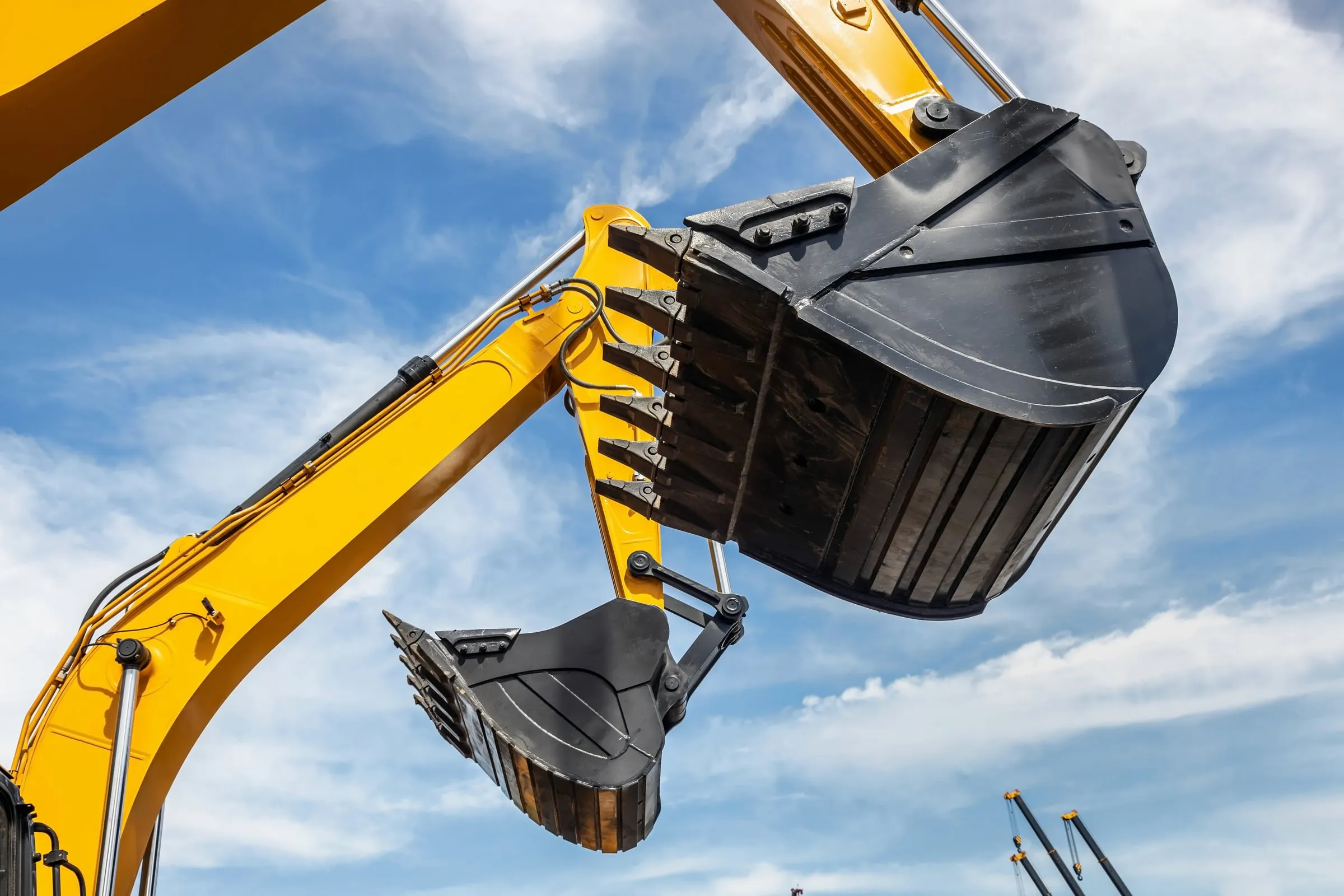
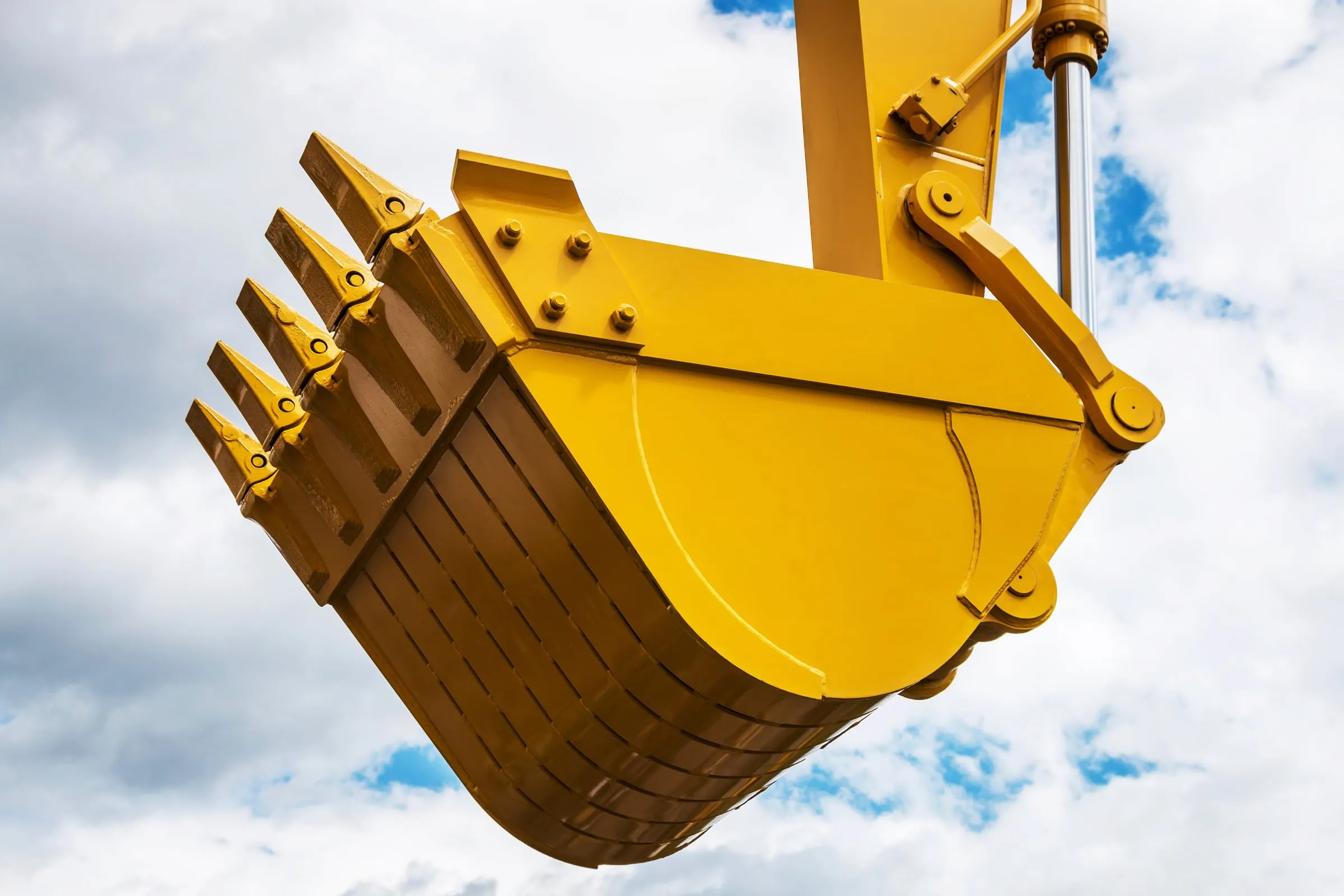
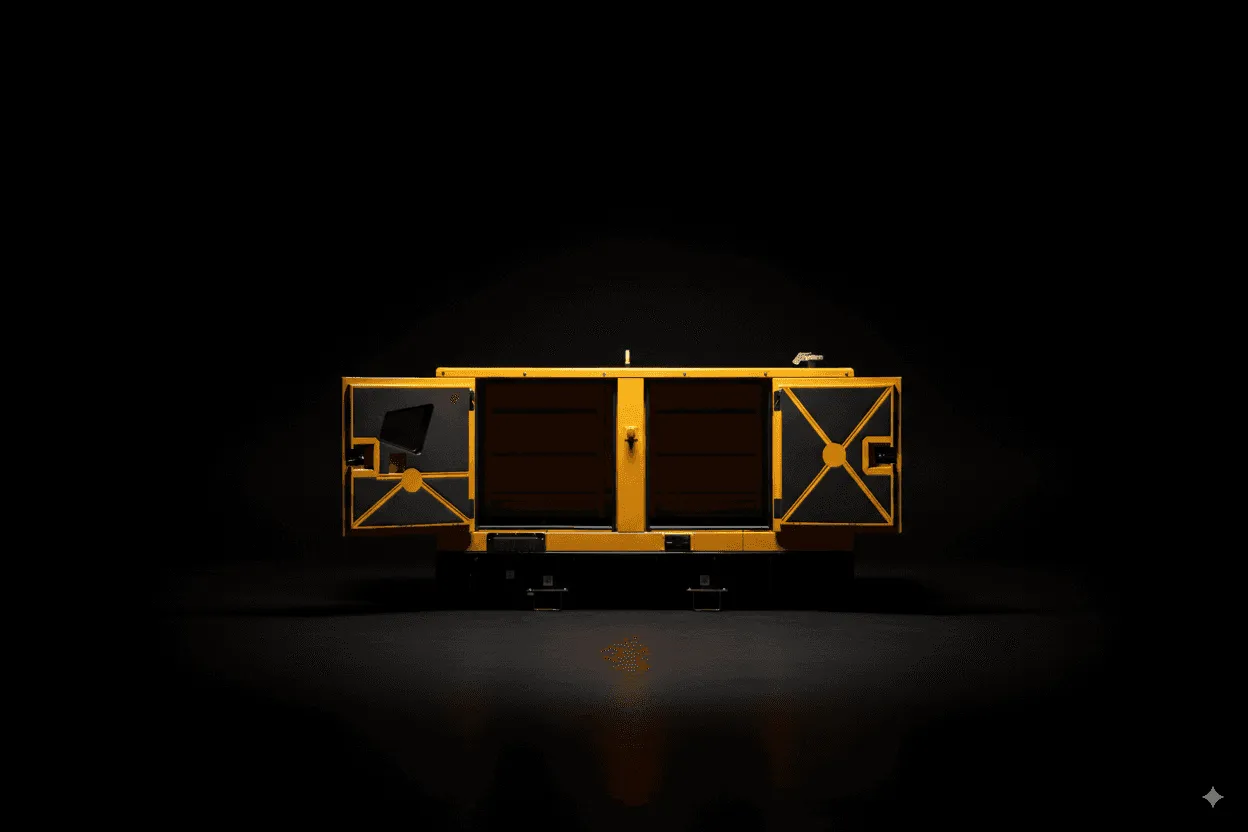
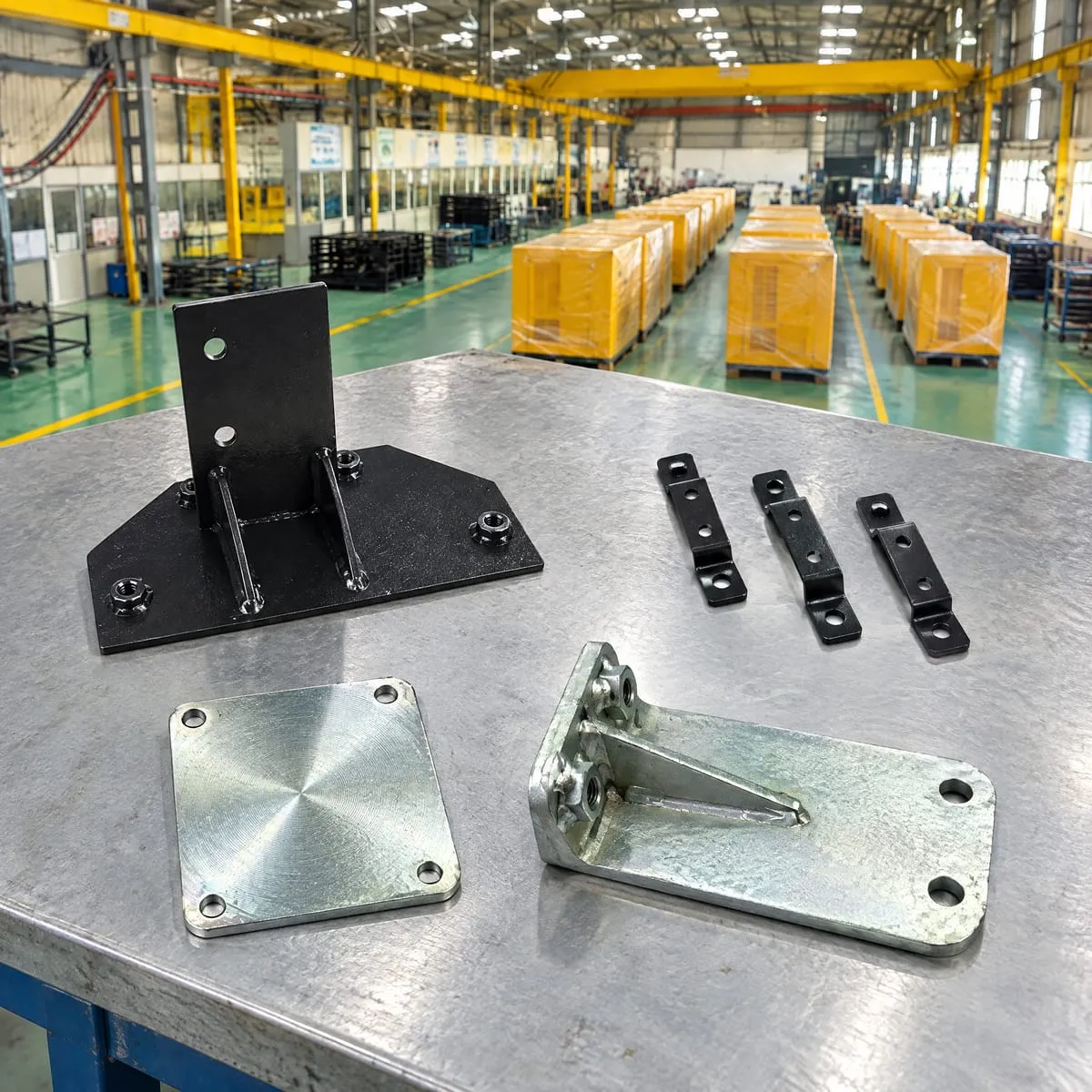
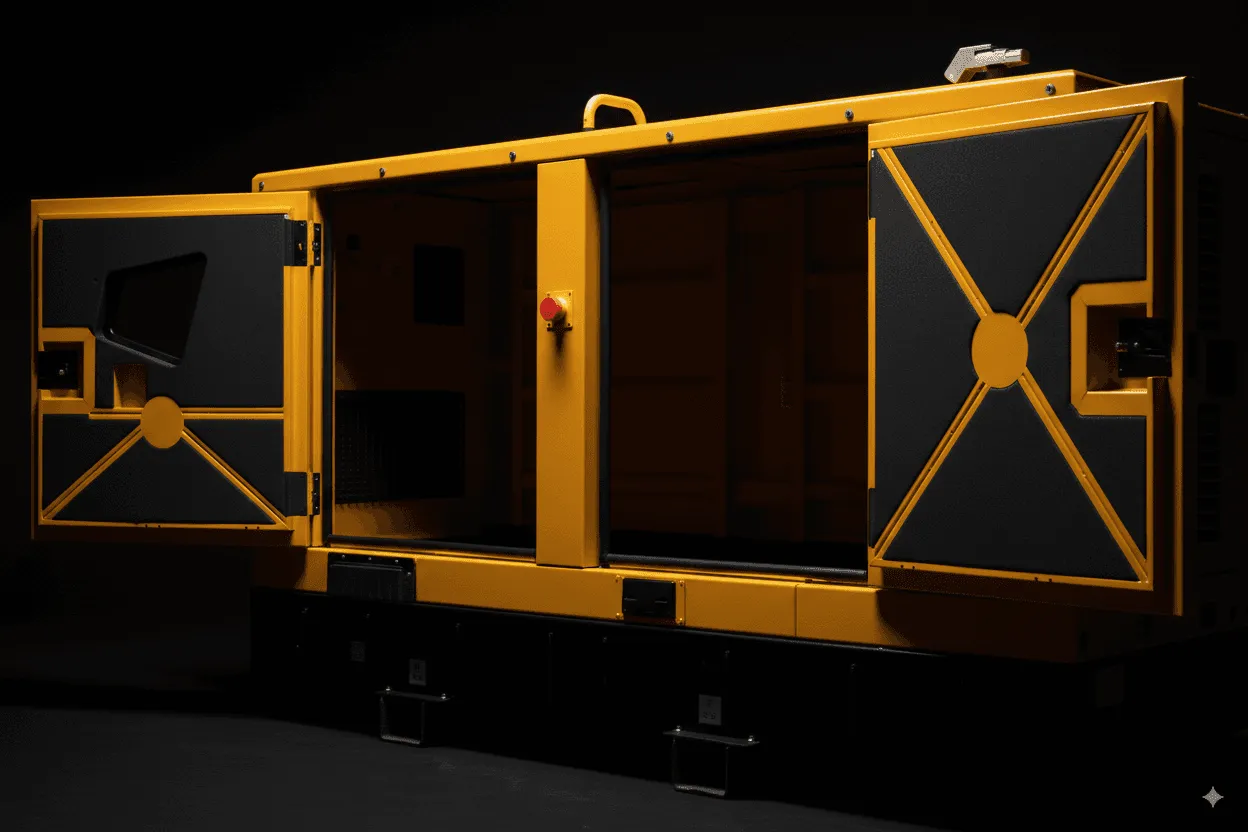
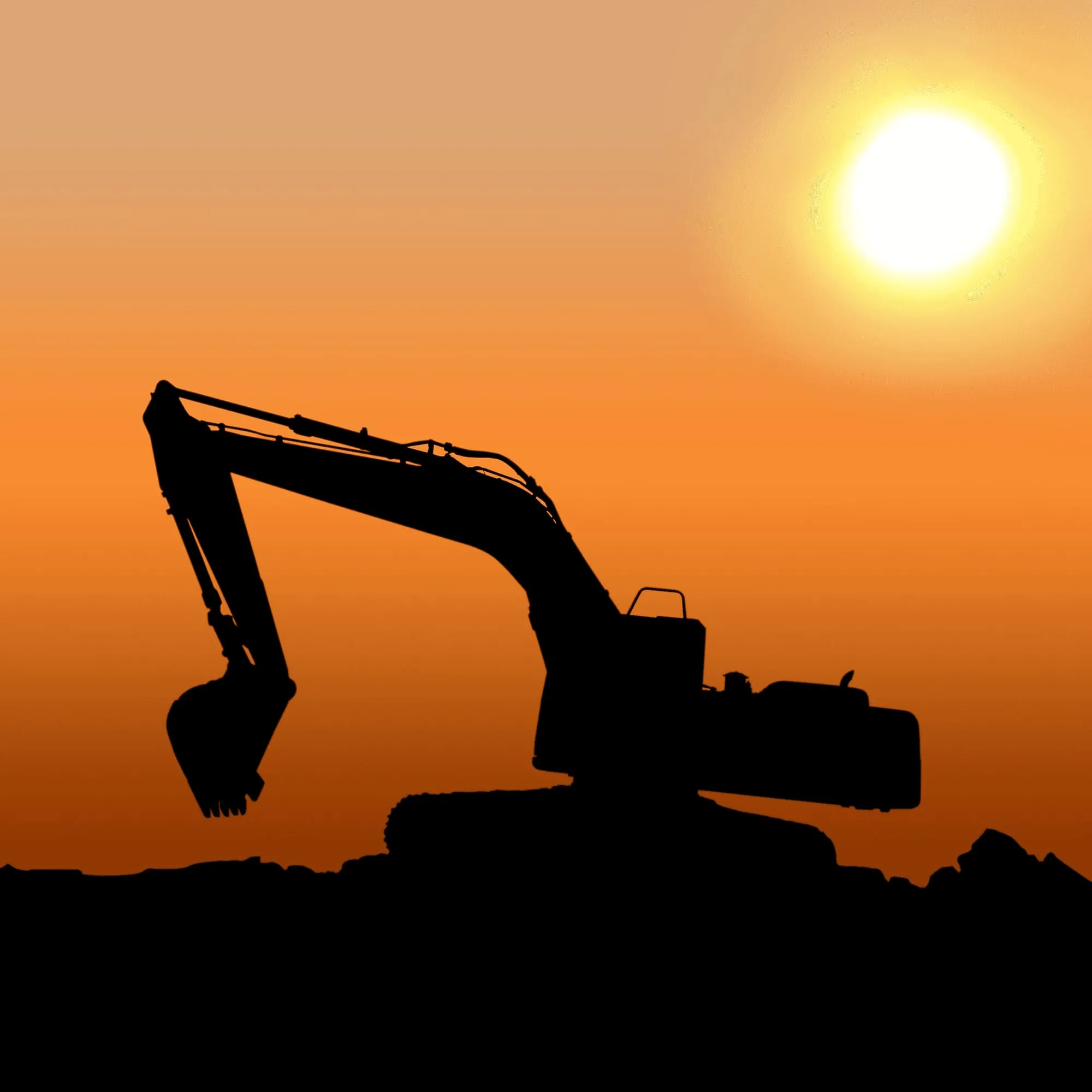
Canopy panels, brackets and structural parts for construction, energy, agriculture and automotive OEMs, and the profiles for buckets and heavy structures in our heavy fabrication plant.
The bottom line
Every later step, from bending to welding to assembly, depends on a part that was cut right. That’s why we treat cutting as the step that sets the standard for the rest.